Français
 Deutsch
 Nederlands
 Italiano
 Español
Already put together a press release to announce your new release? A press kit is the logical next step to take your outreach further!
But keep in mind: a press kit and a press release serve different purposes. A press release announces a specific piece of news: a new single, EP, album, tour… A press kit, on the other hand, introduces your band as a whole. It helps media outlets, venues, festivals, and industry professionals quickly understand who you are, your sound and style, and your journey so far.
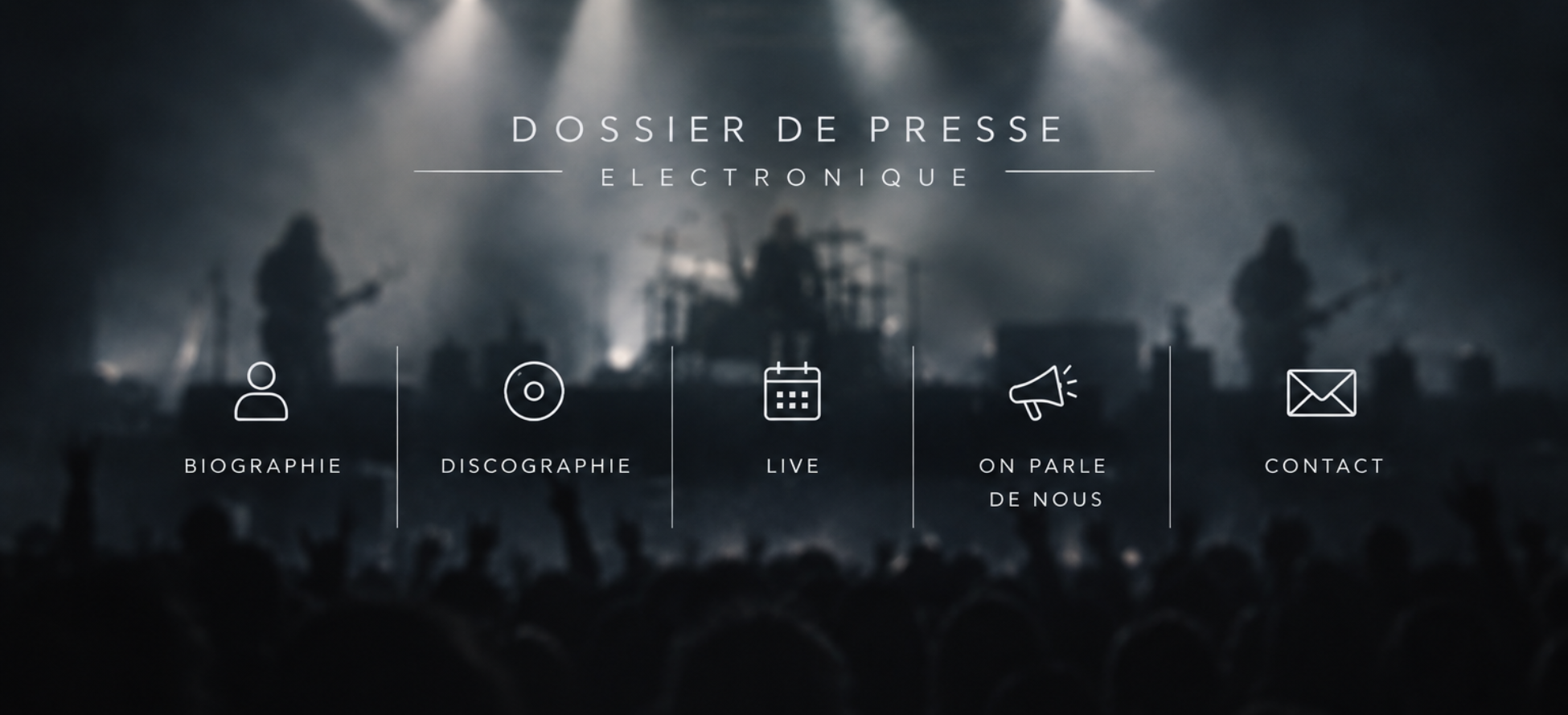
Here are a few essentials for a good press kit:
1. A cover page with a high-resolution photo of your band and a short, compelling pitch
This is the first impression your press kit makes. Your cover page should be eye-catching and grab the reader’s attention.
Start with a short, compelling introduction to your band. In just a few lines, the industry professional you’re contacting should understand your story, who the members are, and what sets you apart from other bands.
This pitch should establish a clear identity for your project from the very first lines. So choose the most important details—the ones that give people a clear sense of your sound and style!
2. A more detailed band bio
Now you can go into more detail about your band’s story!
Who are you? When did the band form? What’s your musical style? Who are your main influences? What sets you apart from other artists or bands? Is there a story that captures who you are? Are there key milestones in your journey worth mentioning?
Again, a press kit should be engaging, and information should be easy to find. In this section, you can introduce your band members and their roles with individual portraits to make the page more visual. Consider adding another photo of the full band, too. Ideally, use a portrait-oriented photo on the cover and a landscape-oriented one in the bio section, so media outlets have options.
3. Present your discography
Your press kit should also give an overview of your journey. You can present your singles, EPs, and albums in chronological order.
Use this opportunity to share a few details about how they were made: the studio, producer, sound engineer, guest artist, or a memorable anecdote… If a release has an interesting story or something distinctive worth sharing, be sure to highlight it.
You can also add links to listen to your tracks directly—that’s the advantage of an interactive press kit!
4. Highlight your live experience
For a venue or festival, your live experience is especially important. List the shows, festivals, opening slots, and tours you’ve played.
If you’ve shared a bill with well-known artists or played major events, this is the place to mention it. Add a few live photos to give a sense of your band’s energy onstage, and always include photo credits, of course (so media outlets won’t have to ask you for them later)!
Finally, it’s also a chance to include your technical rider, listing all your equipment, requirements, and so on.
5. Your media coverage
If your band has already been featured in the press, on radio or TV, in webzines, or elsewhere, be sure to highlight it in your press kit. It shows that your project has already caught the media’s attention and gives industry professionals an initial sense of the visibility you’ve gained.
This page can look really great. Have fun adding excerpts from articles and direct links to the coverage, making sure the outlet’s logo or name is clearly visible each time!
6. Your key numbers
If your band has been around for a few years, you probably have numbers that show how your project has grown. These could include the number of shows you’ve played, festivals your band has appeared at, streams or views of your singles and music videos, or the number of releases you’ve put out…
These numbers offer a quick snapshot of your band’s journey and reach. Most importantly, remember to update them regularly. A press kit should grow with your project: if your band goes from 10,000 to 50,000 streams or plays a new run of shows, be sure to update those details.
The goal isn’t to artificially inflate your numbers, but to show how far your band has come.
7. Your contact information
Finish your press kit with the information people need to contact you easily.
Include an email address, a phone number if needed, and links to your main social media accounts and website.
If you work with a manager, publicist, or someone else who handles your professional relationships, you can include their contact details too.
As with your press release, the way you present your kit matters. Your press kit should be clear, easy to read, and consistent with your band’s visual identity: colors, fonts, photos, artwork… In this article, we’ve listed a few sections we think are essential, but feel free to adapt your press kit to your preferences or combine sections if needed.
You can use a tool like Canva to create a professional layout easily, or add a dedicated section to your website if you have the skills. These days, more and more bands are opting for EPKs (electronic press kits) instead of PDFs. It’s up to you to choose whichever option works best for you!