


 Français
 Deutsch
 Nederlands
 Italiano
 Español
It is definitely not easy to promote your music to media outlets such as webzines, podcasts, print magazines, radio stations, etc. These outlets receive tons and tons of requests every week. It's up to you to stand out by tailoring your outreach and offering an attractive pitch.
Since this is no easy exercise, we have written, especially for you, an article bringing together our tips to maximize your chances of being featured in a media outlet.
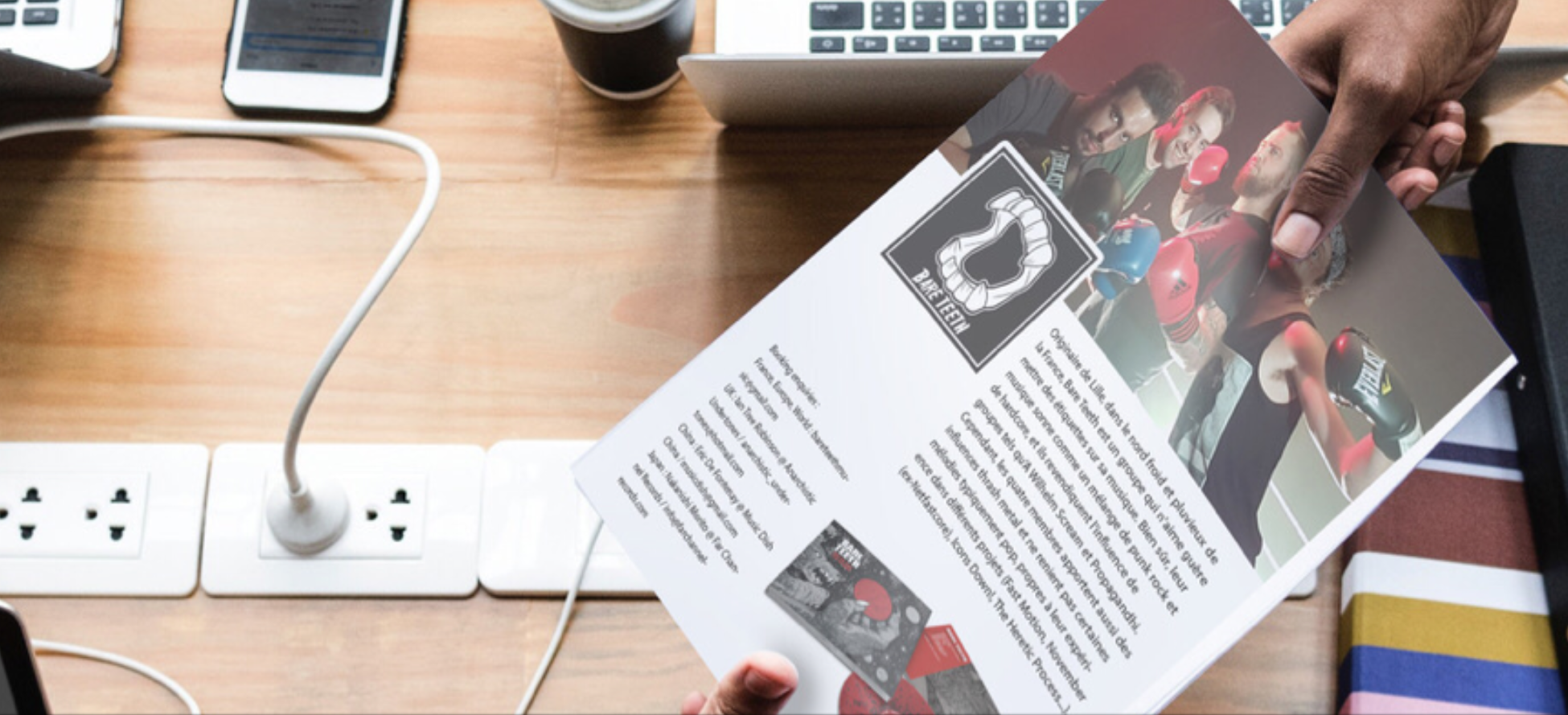
1. Create a press release
The introduction of your press release should set the context and be concise. What is your band's story? Who are the members? Are there any elements that set you apart from other bands?
Then provide more detailed information about your release. Have you worked with well-known people for the mix, recording, mastering, or creation of your artwork? Don't hesitate to specifically name the studios, producers, sound engineers or illustrators: these references lend credibility to your project.
Try, concisely, to explain what makes your release stand out from the rest. A media outlet receives tons and tons of pitches every week. You need to make them want to discover your release and spark their curiosity! If you have a little anecdote about the composition or recording process, that's a bonus. Talk about it!
You can also specify the musical influences behind this release, to help the outlet quickly place your universe. Journalists particularly appreciate editorial angles: a strong theme, a specific context, a story behind the album or single can make all the difference.
Close your press release by mentioning your upcoming news. Any concert dates? A release party? Are you already working on your next release? Now is the time to talk about it! This shows that your project is active, dynamic and built to last.
Remember to include a single link (a Linktree, for example) that will direct the outlet to your social media, your website, your streaming platforms, as well as a private link bringing together your high-resolution photos, your release artwork, tracks in MP3 format, etc. The goal: to allow media outlets to have all the information gathered in one place, saving them time! The more you make resources easy to access, the more you increase the chances of the outlet talking about you.
2. Create a list of media outlets you want to approach
Before launching an outreach campaign, we invite you to research the media outlets that might be interested in your music. These could be radio stations, webzines, podcasts, magazines (etc.) that cover your music genre or have, in the past, featured artists with a similar style to yours. Because no, a media outlet that covers rap will not be interested in a metal band. That makes sense ;)
Make sure these outlets actually want to receive emails, or whether they use another method (a form on their website, an outreach platform, social media, or, for some outlets, sending a physical CD by post...). Generally, media outlets have a contact page on their website that clearly details their outreach process.
To make the most of this listing and get a clearer overview, we invite you to create a tracking spreadsheet where you can list all the media outlets you want to contact, the music style they cover, the type of outreach they prefer, etc. This spreadsheet will allow you to track the progress of your press relations campaign in real time and avoid duplicates.
| Media name | Music genre | Outreach type | First contact | Follow-up | Article link |
| Distrolution | Punk - Rock - Metal - Hardcore | Email outreach | April 10, 2026 | April 25, 2026 | XXXX |
3. Contacting media outlets
Your press release (or press kit) is ready and you have identified the media outlets / people you want to contact? Now is the time to submit your pitch and promotional materials with a personalized email. Impersonal emails are not attractive at all. If you know who you're addressing, mention their name. A personalized email is much more "friendly" and will (perhaps) increase your chances of being featured!
In practice, your email should be short, clear and straight to the point. Journalists, webzines, radio stations and reviewers receive dozens of requests every day. Your message should allow them to understand in just a few seconds who you are, what you're offering (single, EP, album...) and why it might interest them.
Avoid long blocks of text in the email. That's what your press release is for. The email is mainly there to set the context and make them want to check out your press release.
Also think about timing. Ideally, reach out to media outlets 2 to 3 weeks before your project's release date. This gives them time to listen, prepare an article, a review, or a broadcast.
We remind you, however, that promoting your music is a process that can take a lot of time. We can only advise you to be patient and to take into account the fact that you may not get as many responses as you had hoped.
For any coverage you receive, make sure to share it on your social media. If the outlet gives you visibility, return the favor! It not only values their work, but also shows your audience that your project is being picked up by players in the music scene.
So... ready to promote your music to the media? :)
